
A conservative return to flying
Returning Pilot Proficiency
Short answer: Returning safely begins with an honest records and readiness audit—not a rushed checkout. Confirm flight-review status, passenger and instrument currency, medical qualification, logbook history, aircraft requirements and personal limitations with an instructor. Then use a phased plan that restores knowledge, aircraft control, landings, emergency procedures, airspace communication and decision-making before adding passengers, difficult weather or complex missions.
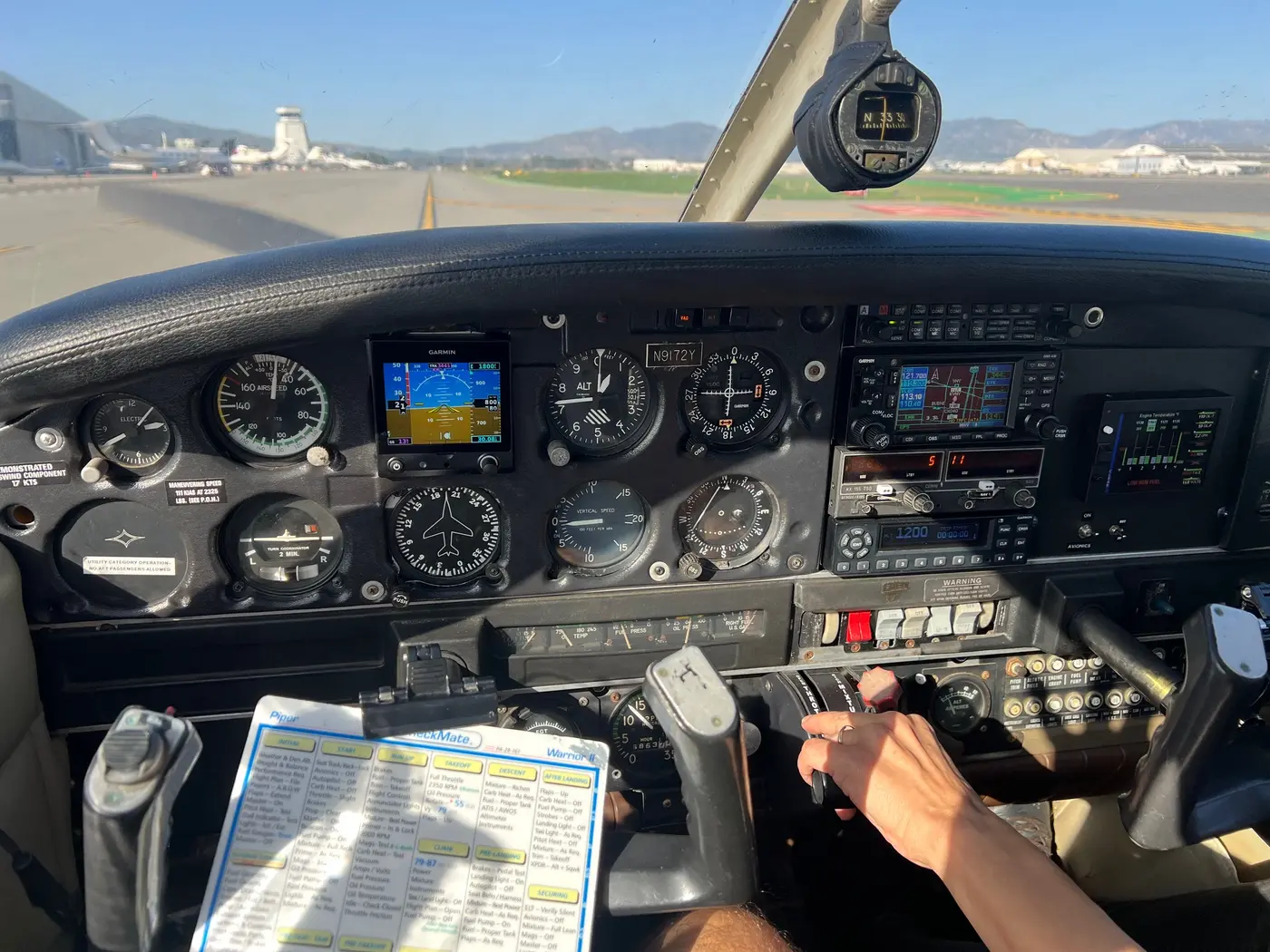
Start with the right distinction
Legal currency is not the same as proficiency
Currency is the set of regulatory conditions that permits a pilot to conduct a particular operation. Proficiency is the practical ability to conduct that flight consistently, accurately and with sound judgment. A pilot can satisfy a calendar requirement and still need training for a particular airplane, airport, weather condition or mission.
Section 61.56 specifies minimum ground and flight training. The instructor may continue training until the pilot can safely exercise the privileges being reviewed.
Verify before scheduling a mission
Audit certificates, endorsements and logbooks
Bring the complete record available, even if it is old or incomplete. The goal is to identify what is documented, what has expired, what needs clarification and what training will restore a reliable operating baseline.
- Pilot certificate, ratings, limitations and government photo identification.
- Date and endorsement for the last flight review or qualifying alternative.
- Recent takeoffs and landings, including whether the night passenger-carrying conditions were met.
- Instrument approaches, holding, intercepting and tracking records if IFR privileges are part of the plan.
- Last flight dates, aircraft makes and models, operating environments and any long gaps.
- High-performance, complex, tailwheel or other endorsements applicable to the intended aircraft.
- Aircraft-owner, flight-school or insurance checkout requirements.
When records do not prove a requirement, do not estimate an entry from memory. Reconstruct only what can be supported, then complete the necessary training or experience correctly.
Fitness and qualification
Review the medical pathway and current condition
Confirm whether the intended operation requires an FAA medical certificate, qualifies under BasicMed or uses another lawful pathway. A document's date is only part of the analysis: § 61.53 also prohibits acting as a required pilot crewmember when a known medical condition or medication effect would make the operation unsafe or prevent meeting the applicable medical requirements.
- The privileges and limitations of the intended medical qualification.
- Any new diagnosis, treatment, procedure, medication or side effect since the last flight.
- Sleep, stress, fatigue, hydration and recent illness on the day of training.
- Questions that should be discussed with an Aviation Medical Examiner before an application or flight.
Flight instruction is not medical advice. Use an AME or the appropriate FAA medical resource for individual eligibility questions.
Build the plan from evidence
Assess the skills the intended flying actually requires
The first lesson should be a diagnosis, not a performance. A conservative assessment can begin with a ground review, cockpit procedures and manageable conditions before increasing traffic, wind, airspace or workload.
- Current Part 91 rules, airspace, weather sources, NOTAMs and airport information.
- Aircraft documents, systems, limitations, performance, weight and balance, and abnormal procedures.
- Checklist discipline, preflight, taxi, radio communication and runway-incursion avoidance.
- Basic attitude control, trim, climbs, descents, turns, slow flight and stall awareness.
- Takeoffs, approaches, landings, go-arounds, crosswind control and stabilized-approach judgment.
- Navigation, automation use, diversion planning, fuel management and lost-procedure thinking.
- Engine failure, system malfunction, weather escape and aeronautical decision-making scenarios.
At Van Nuys, the plan should also account for busy controlled-airport communication and Los Angeles airspace. Complexity should be introduced deliberately rather than used to test an unprepared pilot.
A proficiency-based sequence
Use a phased return instead of one high-pressure flight
- Records and goals
Define the certificate, aircraft and missions the pilot intends to use; audit flight review, currency, medical and checkout requirements.
- Ground refresh
Review regulations, local airspace, weather, aircraft systems, performance, risk management and normal/abnormal procedures.
- Core flight control
Restore checklist flow, aircraft control, energy management, maneuvers and emergency response in favorable conditions.
- Takeoff and landing proficiency
Build repeatable patterns, stabilized approaches, go-around judgment and crosswind technique before carrying passengers.
- Mission rehearsal
Practice the actual operation—local flight, cross-country, night or IFR—with conservative limits and realistic scenarios.
- Independent operating plan
Document personal minimums, near-term practice goals and conditions that require another instructor flight.
Add complexity gradually
Do not make the first passenger flight the proficiency test
After regulatory requirements are satisfied, begin with a familiar aircraft, favorable weather, a comfortable runway and a simple local mission. Add wind, shorter runways, unfamiliar airports, night, passengers, automation and instrument conditions only as training and recent performance support them.
They should reflect present performance, not certificate privileges or old experience. Tighten the plan when fatigue, unfamiliar equipment, busy airspace, passengers or external pressure increase workload.
The FAA's WINGS Pilot Proficiency Program can support structured recurrent education and activity. A properly completed WINGS phase may also satisfy the flight-review requirement under § 61.56, but the pilot should verify the specific credit and documentation.
Primary sources
Use current FAA guidance and regulations
- 14 CFR § 61.56: Flight review
- 14 CFR § 61.57: Recent flight experience
- 14 CFR § 61.51: Pilot logbooks
- 14 CFR § 61.53: Medical deficiency
- FAA AC 61-98E: Currency Requirements and Guidance for the Flight Review and Instrument Proficiency Check
- FAA BasicMed guidance
- FAA Safety Team and WINGS resources
This guide is educational and cannot determine a pilot's legal eligibility, medical qualification or proficiency. Current regulations, aircraft requirements, the pilot's actual records and demonstrated performance control the return-to-flying plan.
Quick answers
Returning-pilot questions
Is a flight review always exactly two hours?
No. Under 14 CFR 61.56, the standard airplane flight review includes at least one hour of ground training and one hour of flight training, but those are minimums. The instructor may need additional time before determining that the pilot has satisfactorily completed the review.
Does a current flight review mean I am proficient?
Not necessarily. A current flight review addresses one regulatory requirement. Proficiency depends on recent practice, aircraft familiarity, operating environment, weather, mission complexity and the pilot's demonstrated performance.
Can I fly alone if I am not current to carry passengers?
Passenger-carrying currency and solo pilot-in-command eligibility are different questions. A pilot must still hold the required certificates, ratings and medical qualification, have a current flight review or authorized alternative, satisfy aircraft and operating requirements, and be capable of operating safely. Review the exact facts with an instructor before flying.
When is an instrument proficiency check required?
The answer depends on the pilot's logged instrument experience and how long instrument currency has lapsed. Section 61.57 defines the recency requirements and permitted paths. A CFII should audit the logbook before the pilot plans to act as PIC under IFR or in weather below VFR minimums.
What should a returning pilot bring to the first meeting?
Bring pilot and medical documents, logbooks or reliable summaries, recent training records, aircraft checkout requirements if known, and an honest description of the last flight, aircraft experience, intended mission and personal concerns.